

Composite magnetic core
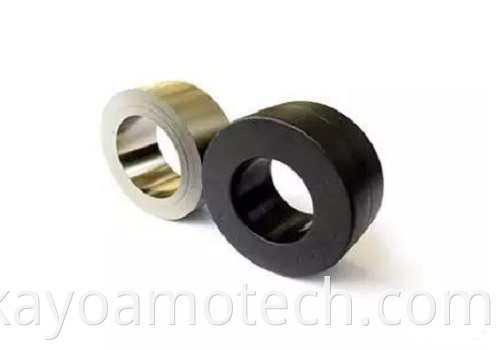
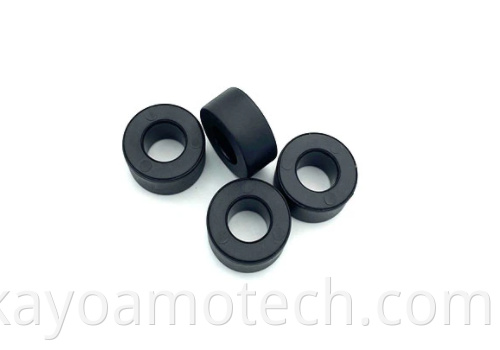
Our company manufactures two types of DC core resistors: single-core and composite-core. The composite-core design features a dual-core configuration and is more cost-effective than cobalt-based alloys. This product boasts high permeability, low coercivity, and low losses, delivering excellent performance in DC interference rejection and temperature stability. It is widely used in electronic energy meters, DC component transformers, and metering applications in power systems.
Categories:
Toroidal core
DC Immune Composite Core
High-performance magnetic cores exhibit strong resistance to DC bias, a wide current range, require fewer additional circuits and components, and offer high reliability and excellent immunity to electromagnetic interference.
Applications of High-Quality Magnetic Cores
Our company manufactures two types of DC core resistors: single-core and composite-core. The composite-core design features a dual-core configuration and is more cost-effective than cobalt-based alloys. This product boasts high permeability, low coercivity, and low losses, delivering excellent performance in DC interference rejection and temperature stability. It is widely used in electronic energy meters, DC component transformers, and metering applications in power systems.
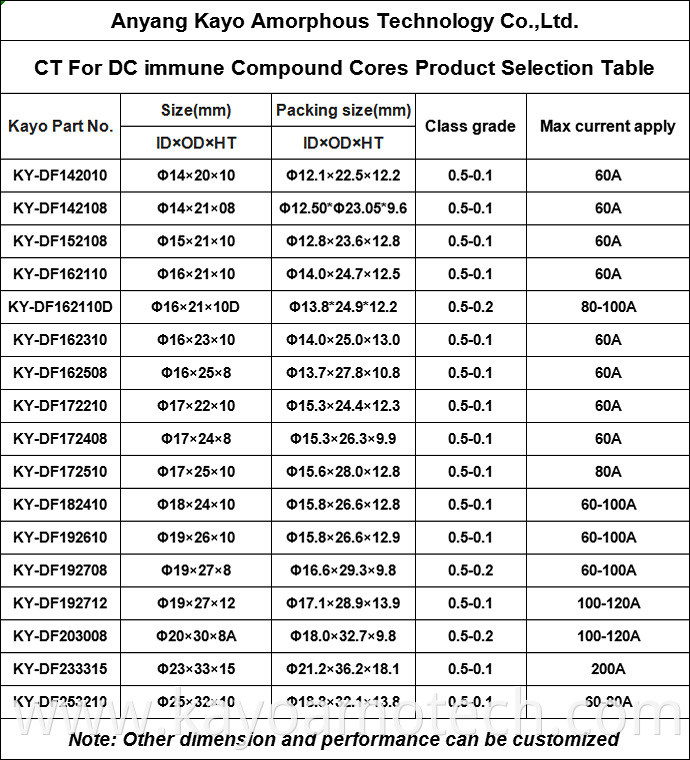
Specifications for the Optimal Composite Magnetic Core

Frequently Asked Questions
1. Question: What information do I need to provide when I have a consultation?
A: For any inquiries, please provide the following information, such as model, dimensions, specifications, and quantity.
2. Question: How long does it take to prepare the samples?
A: Preparing the sample takes 1 to 3 days.
3. Question: What is the delivery lead time for our products?
A: If the item is in stock, it will take 3 to 10 days. If you require a custom design, we will arrange production as soon as possible.
4. Question: What is your minimum order quantity?
A: All orders are accepted, regardless of size and design.
5. Question: How do I make payment to you?
A: We accept telegraphic transfer, PayPal, letter of credit, documents against acceptance, and documents against payment, among other methods.
There may be some differences across regions.
6. Question: If I have any questions, where can I find the answers?
A: Please feel free to contact us at any time.
7. Question: Why choose us?
A: (1) Our products enjoy a prestigious reputation in both domestic and international markets.
(2) With over eight years of export experience, we have a deep understanding of how to meet your needs.
(3) On-time delivery.
Key words:
Certification
Providing better soft magnetic materials and solutions for customers has been our long-term goal.

ITAF 16949

REACH

ROHS

iso 14001

ISO 9001
Get A Quote
Leave your contact information and get a free product quote
Related Products
Providing better soft magnetic materials and solutions for customers has been our long-term goal.

Support for customized solution R&D
Jiayou provides you with personalized manufacturing and customization solutions, meticulously aligning with your specific requirements and product application scenarios. By integrating advanced manufacturing technologies and process resources, we ensure end-to-end collaboration from design through production, delivering solutions that are practical, efficient, user-friendly, and cost-competitive—helping your product vision seamlessly transition from concept to reality.
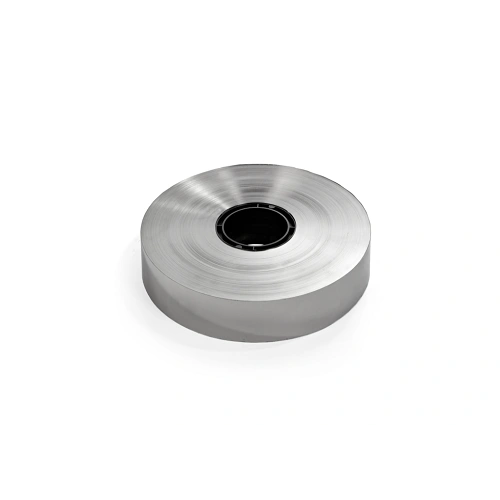
Cobalt-based amorphous nanocrystalline alloy ribbon
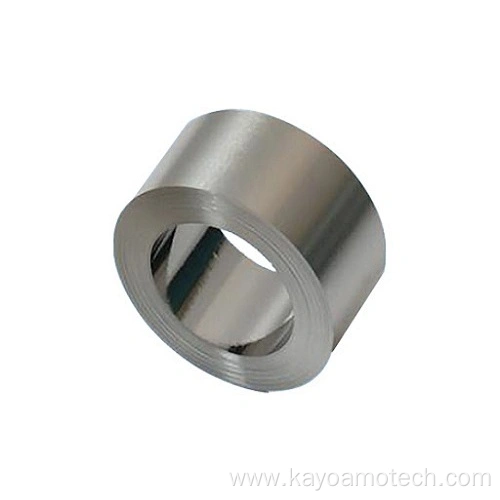
Cobalt-based amorphous alloys, thanks to their unique microstructure, boast core advantages such as ultra-low losses and exceptionally high permeability: - Near-zero magnetostriction — ensuring noise-free operation and distortion-free signals; - Ultra-high permeability — far surpassing conventional iron-based amorphous materials and silicon steel; - Extremely low coercivity — delivering rapid response and reduced losses. - Cobalt-based amorphous alloys exhibit stable performance across a wide temperature range and at high frequencies, with strong anti-interference capabilities, making them well-suited for precision sensing and high-frequency applications. - Customized products can be tailored to meet specific customer requirements, offering features such as low noise, high sensitivity, and low-loss operation at high frequencies.
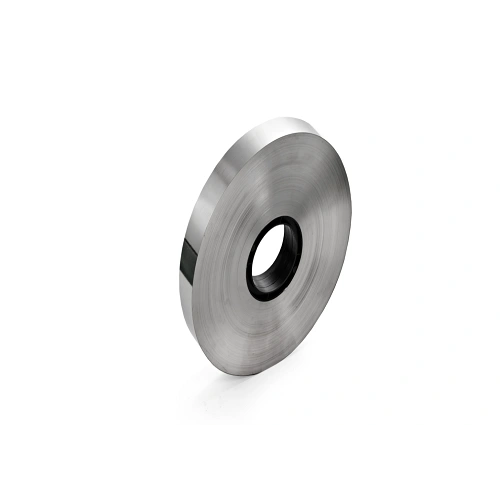
Iron-based nanocrystalline ribbon
・It combines high permeability, high saturation magnetic flux density, low coercivity, and low losses, with overall performance far superior to conventional iron-based amorphous alloys, silicon steel, and certain permalloy grades. ・It exhibits excellent frequency adaptability, featuring low losses and high efficiency at medium and high frequencies, making it suitable for a wide range of applications. ・Its cost is significantly lower than that of cobalt-based amorphous alloys, offering outstanding cost-effectiveness. ・It demonstrates excellent thermal stability and reliable, consistent performance, making it well-suited for large-scale industrial applications.
Due to the following characteristics, iron-based amorphous alloys exhibit a significant advantage in low core losses: - Thin thickness—only about one-tenth that of grain-oriented silicon steel; - High resistivity—approximately twice that of grain-oriented silicon steel; - Low coercivity—only about one-third that of grain-oriented silicon steel.
Provide customers with better soft magnetic materials and solutions
Apply for expert customization services now to provide you with an integrated solution!
Contact Us
Anyang Kayo Amorphous Technology Co., Ltd. was established in 2011 with a registered capital of 20 million RMB. It is a high-tech enterprise focused on the research, development, production, sales...
Share


