
Understanding Soft Magnetic Cores: A Vital Component in Advanced Material Science
Soft magnetic cores are integral components used in various electromagnetic applications, playing a crucial role in enhancing efficiency and performance. As a subset of magnetic materials, soft magnetic cores are designed to have low coercivity, allowing them to magnetize and demagnetize easily. This characteristic is vital in applications where rapid changes in magnetic fields are commonplace, su
Soft magnetic cores are integral components used in various electromagnetic applications, playing a crucial role in enhancing efficiency and performance. As a subset of magnetic materials, soft magnetic cores are designed to have low coercivity, allowing them to magnetize and demagnetize easily. This characteristic is vital in applications where rapid changes in magnetic fields are commonplace, such as in transformers, inductors, and various electric devices.
One of the primary benefits of soft magnetic cores is their ability to reduce energy losses during the magnetization process. Unlike hard magnetic materials, which retain their magnetization, soft magnetic materials are engineered to minimize hysteresis losses and eddy current losses. This property makes them particularly effective in high-frequency applications where efficiency is paramount.
In the context of the chemical industry, especially with the advent of nanotechnology, the development of soft magnetic cores has seen significant advancements. Nanostructured soft magnetic materials often exhibit superior magnetic properties compared to their bulk counterparts. For instance, reducing the size of magnetic particles to the nanoscale can lead to enhanced surface area, which, in turn, can improve magnetic permeability and saturation magnetization. This innovation opens doors for new applications in electronics, sensors, and energy storage systems.
Furthermore, the versatility of soft magnetic cores allows for their integration into various types of designs and devices. They can be manufactured from different materials, including ferrites, silicon steel, and other alloys, each chosen based on the specific requirements of the application. The choice of material impacts not only the magnetic properties but also the thermal stability and mechanical strength, making it essential for engineers and designers to select the appropriate type for their needs.
In addition to their functional benefits, soft magnetic cores also contribute to the overall sustainability of electronic devices. By improving efficiency and reducing energy losses, these materials help in lowering power consumption and enhancing the lifespan of electronic components. As the demand for more sustainable and energy-efficient technologies grows, the role of soft magnetic cores becomes increasingly important.
In summary, soft magnetic cores are a fundamental aspect of modern electromagnetic applications, especially within the context of new chemical materials and nanotechnology. Their unique properties enable advancements across various industries, fostering innovation in energy-efficient technologies and sustainable practices. Understanding the role and benefits of soft magnetic cores is essential for those engaged in material science and engineering, paving the way for future developments in this dynamic field.
One of the primary benefits of soft magnetic cores is their ability to reduce energy losses during the magnetization process. Unlike hard magnetic materials, which retain their magnetization, soft magnetic materials are engineered to minimize hysteresis losses and eddy current losses. This property makes them particularly effective in high-frequency applications where efficiency is paramount.
In the context of the chemical industry, especially with the advent of nanotechnology, the development of soft magnetic cores has seen significant advancements. Nanostructured soft magnetic materials often exhibit superior magnetic properties compared to their bulk counterparts. For instance, reducing the size of magnetic particles to the nanoscale can lead to enhanced surface area, which, in turn, can improve magnetic permeability and saturation magnetization. This innovation opens doors for new applications in electronics, sensors, and energy storage systems.
Furthermore, the versatility of soft magnetic cores allows for their integration into various types of designs and devices. They can be manufactured from different materials, including ferrites, silicon steel, and other alloys, each chosen based on the specific requirements of the application. The choice of material impacts not only the magnetic properties but also the thermal stability and mechanical strength, making it essential for engineers and designers to select the appropriate type for their needs.
In addition to their functional benefits, soft magnetic cores also contribute to the overall sustainability of electronic devices. By improving efficiency and reducing energy losses, these materials help in lowering power consumption and enhancing the lifespan of electronic components. As the demand for more sustainable and energy-efficient technologies grows, the role of soft magnetic cores becomes increasingly important.
In summary, soft magnetic cores are a fundamental aspect of modern electromagnetic applications, especially within the context of new chemical materials and nanotechnology. Their unique properties enable advancements across various industries, fostering innovation in energy-efficient technologies and sustainable practices. Understanding the role and benefits of soft magnetic cores is essential for those engaged in material science and engineering, paving the way for future developments in this dynamic field.

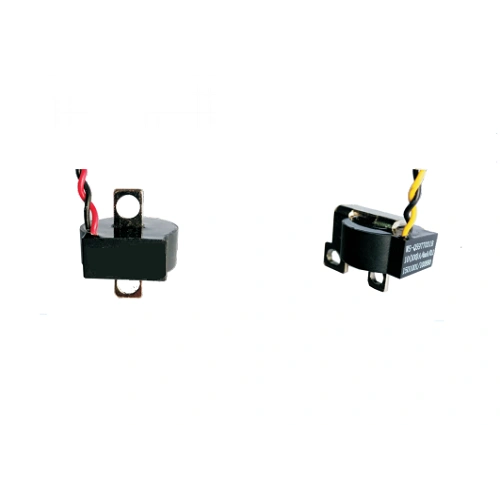
Provide customers with better soft magnetic materials and solutions
Apply for expert customization services now to provide you with an integrated solution!
Contact Us
Anyang Kayo Amorphous Technology Co., Ltd. was established in 2011 with a registered capital of 20 million RMB. It is a high-tech enterprise focused on the research, development, production, sales...


