
Understanding Silicon Steel Cores in Nano-Chemical Materials
Silicon steel core materials play an essential role in various applications, particularly in the field of new chemical materials, including nano-chemical materials. These cores, typically composed of silicon and iron, are designed to enhance magnetic properties and reduce energy losses in electrical applications. Their unique characteristics make them suitable for a range of uses, from transformer
Silicon steel core materials play an essential role in various applications, particularly in the field of new chemical materials, including nano-chemical materials. These cores, typically composed of silicon and iron, are designed to enhance magnetic properties and reduce energy losses in electrical applications. Their unique characteristics make them suitable for a range of uses, from transformers to electric motors, and even in emerging nanotechnology applications.
One of the primary advantages of silicon steel cores is their improved magnetic permeability. By increasing the silicon content in the iron matrix, manufacturers can significantly enhance the material's ability to conduct magnetic fields. This property is particularly vital in electrical engineering, where efficiency and performance are paramount. The use of silicon steel cores can lead to reduced core losses, making them an attractive option for engineers looking to optimize electrical devices.
In the context of nano-chemical materials, silicon steel cores can be leveraged to create advanced composite materials with enhanced strength and durability. Nano-engineering allows for the manipulation of materials at the atomic or molecular level, giving rise to composites that can outperform traditional materials in various applications. For instance, a silicon steel core can be embedded within a polymer matrix to develop lightweight, high-strength materials suitable for aerospace or automotive applications.
Moreover, the incorporation of silicon steel cores in nano-materials can lead to improved thermal and electrical conductivity. This is particularly advantageous in electronic devices and energy storage systems, where efficient heat dissipation and electrical performance are critical. As energy demands continue to rise globally, the development of materials that can withstand higher temperatures while maintaining performance is increasingly important.
The chemical stability of silicon steel cores also contributes to their versatility. They are resistant to oxidation and corrosion, which are common challenges in many industrial applications. This stability extends the lifespan of devices and systems that utilize these materials, resulting in lower maintenance costs and enhanced reliability.
As industries move towards more sustainable practices, the demand for efficient, high-performance materials is expected to grow. Silicon steel cores, with their unique properties and potential applications in nano-materials, are well-positioned to meet these demands. Their ability to combine magnetic efficiency with chemical stability makes them a vital component in the development of next-generation materials.
In conclusion, understanding the role of silicon steel cores in the context of nano-chemical materials can provide valuable insights for professionals in the chemical industry. Their applications span various fields, from renewable energy solutions to advanced manufacturing. As technology advances, the integration of these cores into new materials will likely play a significant role in shaping the future of the industry.
One of the primary advantages of silicon steel cores is their improved magnetic permeability. By increasing the silicon content in the iron matrix, manufacturers can significantly enhance the material's ability to conduct magnetic fields. This property is particularly vital in electrical engineering, where efficiency and performance are paramount. The use of silicon steel cores can lead to reduced core losses, making them an attractive option for engineers looking to optimize electrical devices.
In the context of nano-chemical materials, silicon steel cores can be leveraged to create advanced composite materials with enhanced strength and durability. Nano-engineering allows for the manipulation of materials at the atomic or molecular level, giving rise to composites that can outperform traditional materials in various applications. For instance, a silicon steel core can be embedded within a polymer matrix to develop lightweight, high-strength materials suitable for aerospace or automotive applications.
Moreover, the incorporation of silicon steel cores in nano-materials can lead to improved thermal and electrical conductivity. This is particularly advantageous in electronic devices and energy storage systems, where efficient heat dissipation and electrical performance are critical. As energy demands continue to rise globally, the development of materials that can withstand higher temperatures while maintaining performance is increasingly important.
The chemical stability of silicon steel cores also contributes to their versatility. They are resistant to oxidation and corrosion, which are common challenges in many industrial applications. This stability extends the lifespan of devices and systems that utilize these materials, resulting in lower maintenance costs and enhanced reliability.
As industries move towards more sustainable practices, the demand for efficient, high-performance materials is expected to grow. Silicon steel cores, with their unique properties and potential applications in nano-materials, are well-positioned to meet these demands. Their ability to combine magnetic efficiency with chemical stability makes them a vital component in the development of next-generation materials.
In conclusion, understanding the role of silicon steel cores in the context of nano-chemical materials can provide valuable insights for professionals in the chemical industry. Their applications span various fields, from renewable energy solutions to advanced manufacturing. As technology advances, the integration of these cores into new materials will likely play a significant role in shaping the future of the industry.

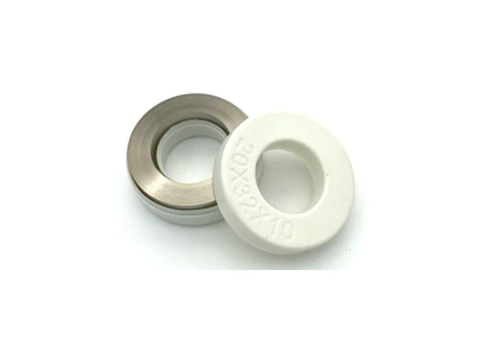
Provide customers with better soft magnetic materials and solutions
Apply for expert customization services now to provide you with an integrated solution!
Contact Us
Anyang Kayo Amorphous Technology Co., Ltd. was established in 2011 with a registered capital of 20 million RMB. It is a high-tech enterprise focused on the research, development, production, sales...


