
Understanding Leakage Protection Core: A Key Component in Advanced Chemical Materials
The Leakage Protection Core is an essential component in the development and application of advanced chemical materials, particularly in the nanotechnology sector. It plays a crucial role in preventing material losses and ensuring safety during various chemical processes. As industries increasingly rely on innovative chemical solutions, the incorporation of a robust leakage protection mechanism be
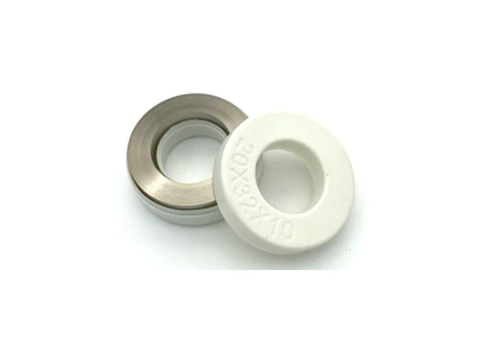
The Leakage Protection Core is an essential component in the development and application of advanced chemical materials, particularly in the nanotechnology sector. It plays a crucial role in preventing material losses and ensuring safety during various chemical processes. As industries increasingly rely on innovative chemical solutions, the incorporation of a robust leakage protection mechanism becomes imperative.
At its core, the Leakage Protection Core is designed to detect and mitigate leaks that can occur within chemical systems. This can be especially important in environments where hazardous materials are involved, as even minor leaks can lead to significant safety risks and environmental concerns. By implementing leakage protection strategies, companies can better manage the risks associated with handling volatile substances.
One of the primary advantages of integrating a Leakage Protection Core is its ability to enhance reliability in chemical production. In the context of nanotechnology, where materials often exhibit unique properties at the nanoscale, the integrity of these materials must be preserved during handling and application. A well-designed leakage protection mechanism ensures that the physical and chemical properties of nanomaterials remain intact, preventing degradation or contamination that could arise from leaks.
Moreover, the Leakage Protection Core contributes to operational efficiency. By minimizing the risks of leaks, companies can reduce downtime associated with repairs and safety assessments. This not only boosts productivity but also leads to cost savings in the long run. Additionally, maintaining a safe working environment mitigates potential legal liabilities associated with chemical spills or accidents.
In the realm of advanced chemical materials, the Leakage Protection Core can utilize various technologies, including sensors and smart materials, to provide real-time monitoring and response capabilities. These innovative solutions can alert operators to potential leakages before they escalate into more serious issues. This proactive approach to leak management is critical, especially in industries where regulatory compliance and safety standards are stringent.
Furthermore, the integration of nanotechnology into the Leakage Protection Core itself is an area of ongoing research. Developing nano-coatings or nano-structured materials that possess enhanced barrier properties can lead to more effective leakage prevention. These advancements not only improve the performance of leakage protection systems but also align with the overall trend toward sustainability in chemical manufacturing.
In conclusion, the Leakage Protection Core is a vital aspect of modern chemical processes, especially within the context of advanced and nanochemical materials. By ensuring the integrity and safety of chemical systems, it not only protects valuable resources but also enhances operational efficiency, thereby supporting the responsible development and application of new materials.
At its core, the Leakage Protection Core is designed to detect and mitigate leaks that can occur within chemical systems. This can be especially important in environments where hazardous materials are involved, as even minor leaks can lead to significant safety risks and environmental concerns. By implementing leakage protection strategies, companies can better manage the risks associated with handling volatile substances.
One of the primary advantages of integrating a Leakage Protection Core is its ability to enhance reliability in chemical production. In the context of nanotechnology, where materials often exhibit unique properties at the nanoscale, the integrity of these materials must be preserved during handling and application. A well-designed leakage protection mechanism ensures that the physical and chemical properties of nanomaterials remain intact, preventing degradation or contamination that could arise from leaks.
Moreover, the Leakage Protection Core contributes to operational efficiency. By minimizing the risks of leaks, companies can reduce downtime associated with repairs and safety assessments. This not only boosts productivity but also leads to cost savings in the long run. Additionally, maintaining a safe working environment mitigates potential legal liabilities associated with chemical spills or accidents.
In the realm of advanced chemical materials, the Leakage Protection Core can utilize various technologies, including sensors and smart materials, to provide real-time monitoring and response capabilities. These innovative solutions can alert operators to potential leakages before they escalate into more serious issues. This proactive approach to leak management is critical, especially in industries where regulatory compliance and safety standards are stringent.
Furthermore, the integration of nanotechnology into the Leakage Protection Core itself is an area of ongoing research. Developing nano-coatings or nano-structured materials that possess enhanced barrier properties can lead to more effective leakage prevention. These advancements not only improve the performance of leakage protection systems but also align with the overall trend toward sustainability in chemical manufacturing.
In conclusion, the Leakage Protection Core is a vital aspect of modern chemical processes, especially within the context of advanced and nanochemical materials. By ensuring the integrity and safety of chemical systems, it not only protects valuable resources but also enhances operational efficiency, thereby supporting the responsible development and application of new materials.

Provide customers with better soft magnetic materials and solutions
Apply for expert customization services now to provide you with an integrated solution!
Contact Us
Anyang Kayo Amorphous Technology Co., Ltd. was established in 2011 with a registered capital of 20 million RMB. It is a high-tech enterprise focused on the research, development, production, sales...


